
Amino acids are the basic units that make up proteins. At present, there are five production methods: direct fermentation, addition of precursor fermentation, enzymatic method, chemical synthesis method, and protein hydrolysis extraction method. Both direct fermentation and addition of precursor fermentation are commonly referred to as fermentation methods. Most amino acids are produced by fermentation. Fermentation broth is an extremely complex multiphase system containing microbial cells, metabolites, unused culture medium, etc. Sometimes impurity amino acids have chemical structures and physicochemical properties very similar to the target amino acids, which determines that the downstream processing of amino acid fermentation broth requires a series of engineering unit operations.

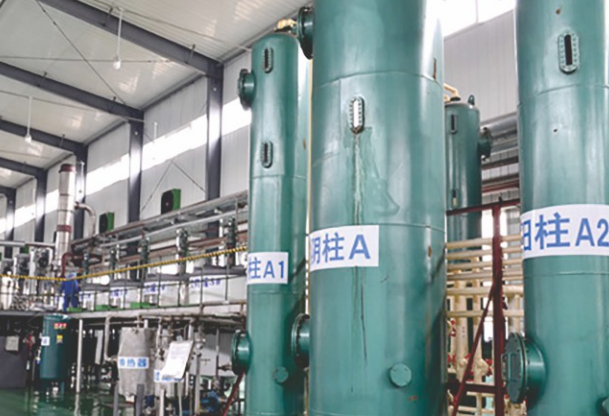
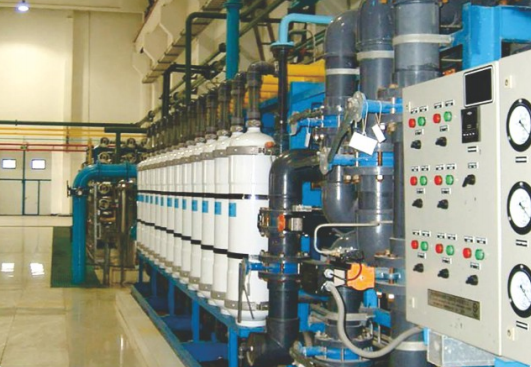
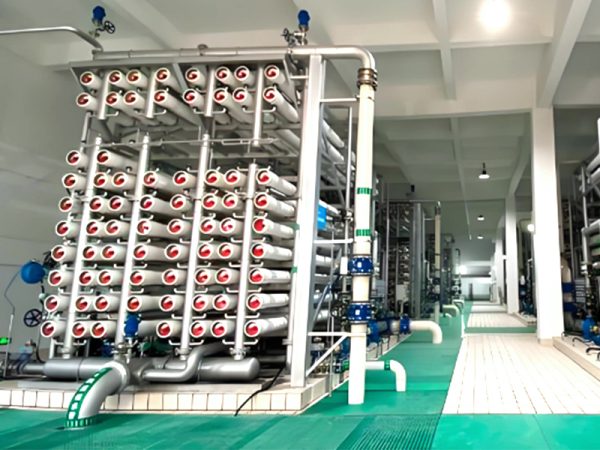
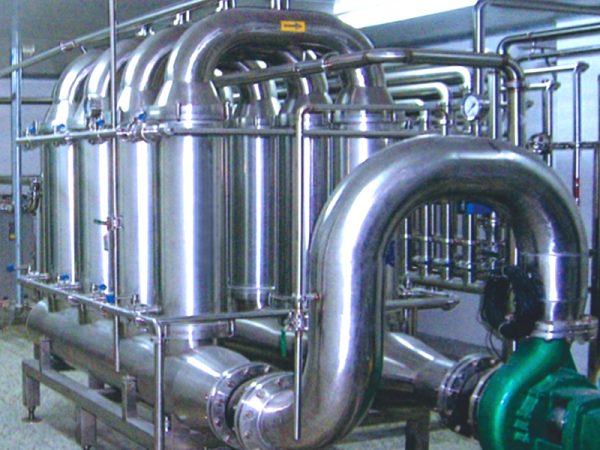
The innovation center has independently developed a membrane integrated process for fermentation and enzymatic hydrolysis of amino acids (isoleucine, leucine, tryptophan, threonine, L-theanine, alanine, phenylalanine, p-hydroxyphenylglycine, etc.).

This membrane integration process is significantly superior to traditional processes in terms of product quality, recovery rate, and energy consumption. At the same time, the amount of wastewater generated during production is greatly reduced, reducing the environmental burden on enterprises. This system has been successfully applied in practical production and has been running stably for many years in some amino acid enterprises in China.
 English
  العربية
  Français
  Deutsch
  Italiano
  Português
  Русский
  Español
  Nederlands